
Compare Local Contractors for Tree Cabling Services
Compare local contractors for tree cabling services to define project scope, verify experience, and set clear expectations in writing to ensure a successful outcome.
Tree cabling services typically involve installing support systems designed to stabilize and protect existing trees, especially those with structural weaknesses or multiple trunks. This work often includes assessing the health and stability of trees, selecting appropriate cabling materials, and installing hardware such as braces, rods, or cables to reduce the risk of branches or entire trees falling. Properly executed, these services can help preserve mature trees, prevent property damage, and ensure safety during storms or high winds, making them a valuable consideration for property owners with valuable or historically significant trees.
Defining the scope of a tree cabling project is essential for ensuring the work meets specific needs and expectations. A clear scope outlines what trees will be serviced, the type of support systems to be installed, and any additional work such as pruning or removal that might be necessary. Having this information in writing helps property owners and contractors align on project goals, avoid misunderstandings, and establish a basis for assessing the quality and completeness of the work. It also provides a reference point for future maintenance or adjustments, ensuring the longevity and effectiveness of the cabling system.
When comparing local contractors for tree cabling services, property owners should consider experience, reputation, and the range of services offered. It’s practical to verify how long a contractor has been working in the area and whether they have a history of handling similar projects. Reviewing credentials such as references or past work examples can provide insight into their expertise. Additionally, obtaining detailed written proposals that specify the scope of work, materials, and methods allows for meaningful comparisons. This approach helps property owners select service providers who are well-suited to meet their specific needs and ensure the work aligns with best practices.
Compare local contractors by outlining project priorities, verifying experience, and clearly defining scope and expectations in writing.
- Compare Contractor Experience - Review the background and project history of local contractors to ensure they have relevant expertise.
- Define Project Scope Clearly - Establish detailed work requirements and expectations before engaging with service providers.
- Verify Credentials and References - Check references and past work to assess the reliability and quality of local contractors.
- Document Agreements in Writing - Ensure all project details, responsibilities, and expectations are outlined in a formal agreement.
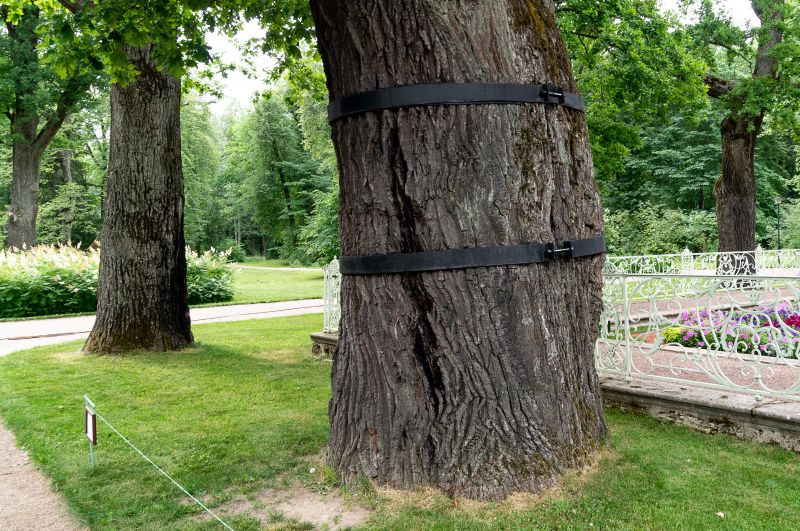
Clearly describe your tree cabling project and compare local contractors' experience and scope to choose the right service provider.
- Verify the contractor’s experience with tree cabling projects similar in scope and complexity. - Ensure the service provider clearly defines the scope of work and materials to be used in writing.
- Compare multiple local contractors to assess their expertise and approach to tree cabling services. - Look for detailed explanations of cabling methods and safety considerations.
- Check that the contractor provides a written estimate outlining the work to be performed and the materials involved. - Confirm the scope and expectations are documented to prevent misunderstandings.
- Assess the contractor’s ability to evaluate tree health and determine appropriate cabling solutions. - Seek providers who can explain their process for inspecting trees and recommending suitable support systems.
- Ensure the contractor discusses maintenance requirements and ongoing care for the cabling system. - Clarify expectations for future inspections or adjustments to the cabling setup.
- Review the contractor’s references or reviews to gauge their reputation and experience with tree cabling projects. - Use feedback from previous clients to inform the selection process.
Compare local contractors’ experience and clearly define project scope to ensure successful tree cabling.
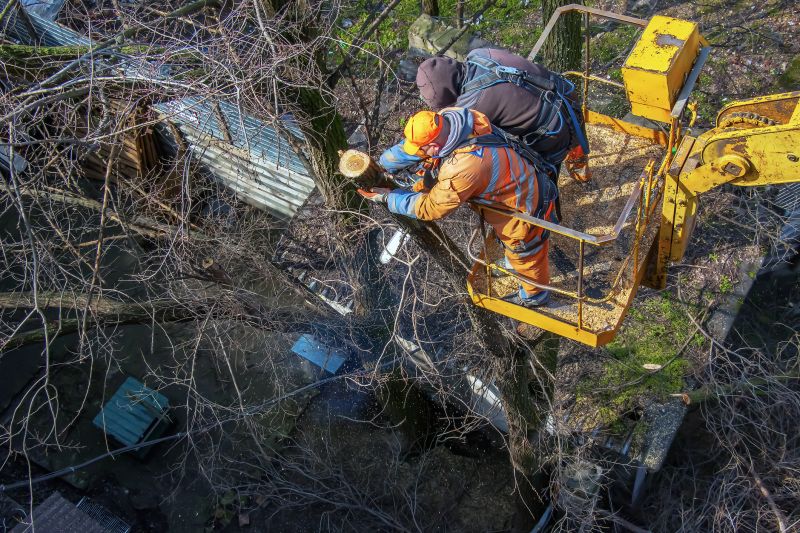
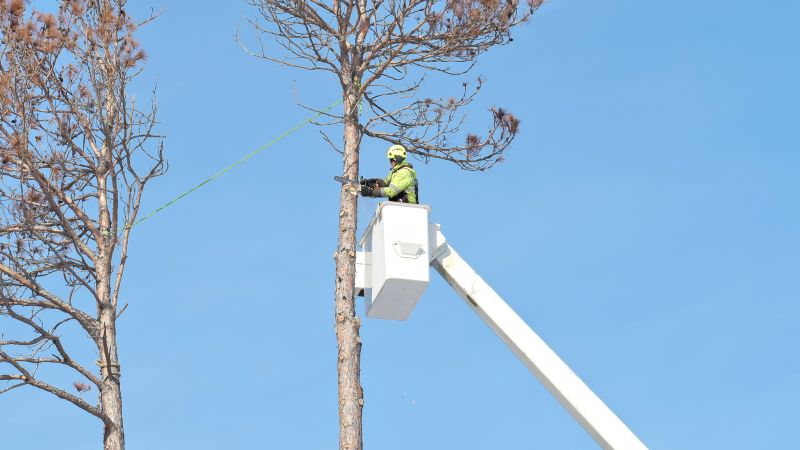
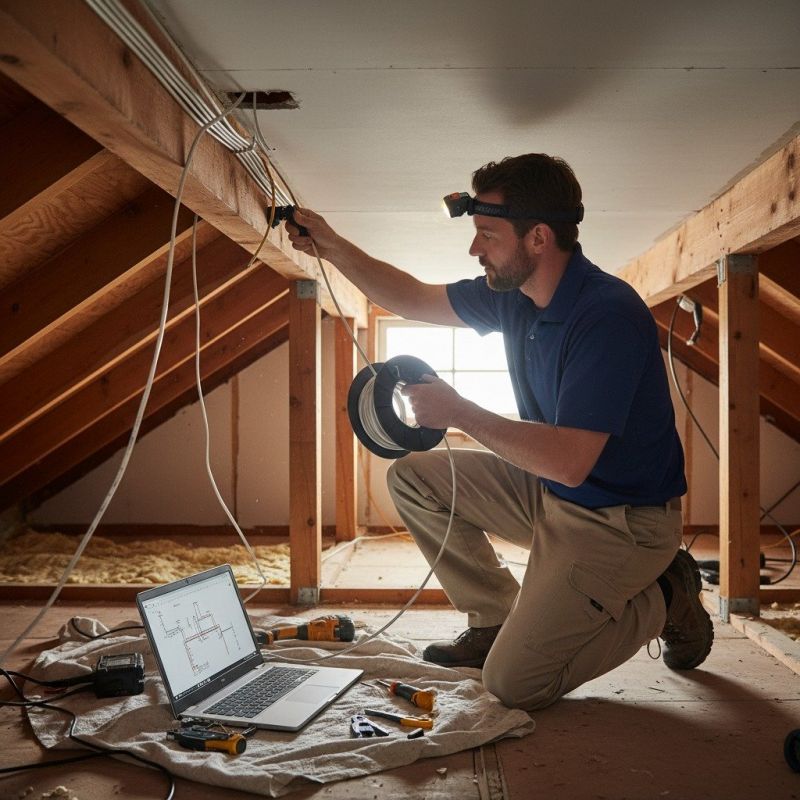
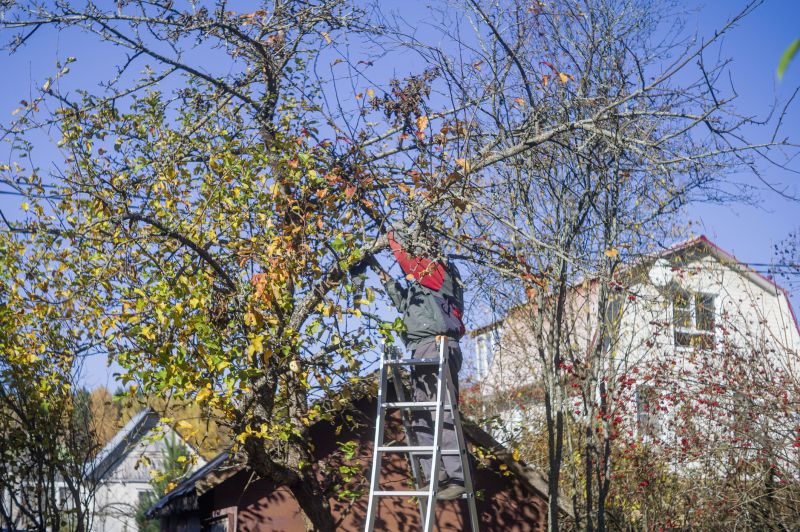
Use consistent criteria to compare local contractors' scope, experience, and written expectations for tree cabling services.
- Scope Definition - Clearly outline the specific tree cabling services needed, including the number of trees and type of cabling required.
- Experience Verification - Confirm that local contractors have relevant experience with tree cabling projects of similar scope.
- Material Specifications - Specify the types of cabling and hardware to be used, ensuring durability and suitability for the trees.
- Work Expectations - Define the desired outcomes, including the structural support and health considerations for the trees.
- Written Agreement - Ensure all project details, scope, and expectations are documented in a formal agreement before work begins.
When evaluating contractors for tree cabling services, it is important to consider their experience with similar projects. Homeowners should inquire about the types of trees and specific cabling systems the contractors have worked on previously, ensuring they have a solid track record with trees of comparable size, species, and structural needs. A contractor’s familiarity with various cabling materials and techniques can also indicate their ability to handle unique challenges that may arise during the project, leading to a more reliable and effective outcome.
A clear, written scope of work is essential when comparing service providers. Homeowners should seek detailed descriptions of what the project will include, such as the number of trees to be cabled, the type of cabling used, and any additional services like pruning or bracing. Having a well-defined scope helps prevent misunderstandings and ensures that all parties share the same expectations. It also provides a basis for evaluating whether a contractor’s proposed approach aligns with the specific needs of the trees and property.
Verification basics involve confirming that the contractor can demonstrate their experience and expertise through references, project portfolios, or client testimonials. Homeowners should ask for examples of past projects similar to their own and verify that the contractor has successfully completed those jobs. Additionally, understanding the contractor’s process for assessing tree health and structural stability can help ensure that the work will be performed responsibly and appropriately, minimizing potential risks or damage to the trees.
When comparing options, it is helpful to focus on the contractor’s communication and professionalism, especially in how they present their scope and process in writing. Homeowners should evaluate whether the contractor provides comprehensive, easy-to-understand documentation that clearly outlines the work to be done, materials to be used, and any relevant considerations. This clarity can help set accurate expectations and foster a transparent working relationship. Ultimately, selecting a service provider with demonstrated experience, a detailed scope, and clear communication can lead to a successful and satisfactory tree cabling project.
Ask contractors to provide written scope details to ensure clarity and consistency throughout the tree cabling project.
- Experience and Expertise - What specific experience do the local contractors have with tree cabling projects similar to yours?
- Scope of Work - How do the service providers define and outline the scope of the tree cabling services they offer?
- Materials and Equipment - What types of cabling and supporting materials do the contractors typically use for tree cabling?
- Project Expectations - How do local contractors communicate project details and set clear expectations in writing?
- Comparison Criteria - What factors should be considered when comparing different tree cabling service providers to ensure quality and reliability?
How can I compare different contractors for tree cabling services? To compare contractors, review their experience with similar projects, verify references or reviews, and ensure they clearly define the scope of work in writing.
What should I look for when defining the scope of tree cabling work? Clearly outline the trees involved, the type of cabling needed, the desired outcomes, and any specific requirements to ensure all parties understand the project details.
How can I verify a contractor’s experience with tree cabling? Ask for details about their previous projects, request references, and check if they have a history of handling similar tree cabling installations or repairs.
Why is it important to get the scope of work in writing? Having a written scope helps set clear expectations, reduces misunderstandings, and provides a record of what is agreed upon before work begins.
What questions should I ask a contractor about their approach to tree cabling? Inquire about their methods, materials used, safety practices, and how they plan to assess the trees to determine the best cabling solution.
How can I ensure the contractor understands my specific needs? Clearly communicate your goals, ask for their input, and confirm that the scope of work covers all your requirements before proceeding.
Visitors now have a clear understanding of how to evaluate contractors for tree cabling services by defining project scope, verifying experience, and documenting details in writing. This approach helps ensure that expectations are aligned and that the chosen service provider is well-suited for the specific needs of the job. Comparing different local contractors can provide valuable insights into their offerings and expertise, making it easier to identify the right fit.
Encouraging visitors to use the quote form, they can efficiently explore and compare options available in their area. This process supports making informed decisions by connecting with trusted service providers who can handle tree cabling projects professionally. Taking the time to review and contrast local contractors helps ensure the selection process aligns with individual project requirements.